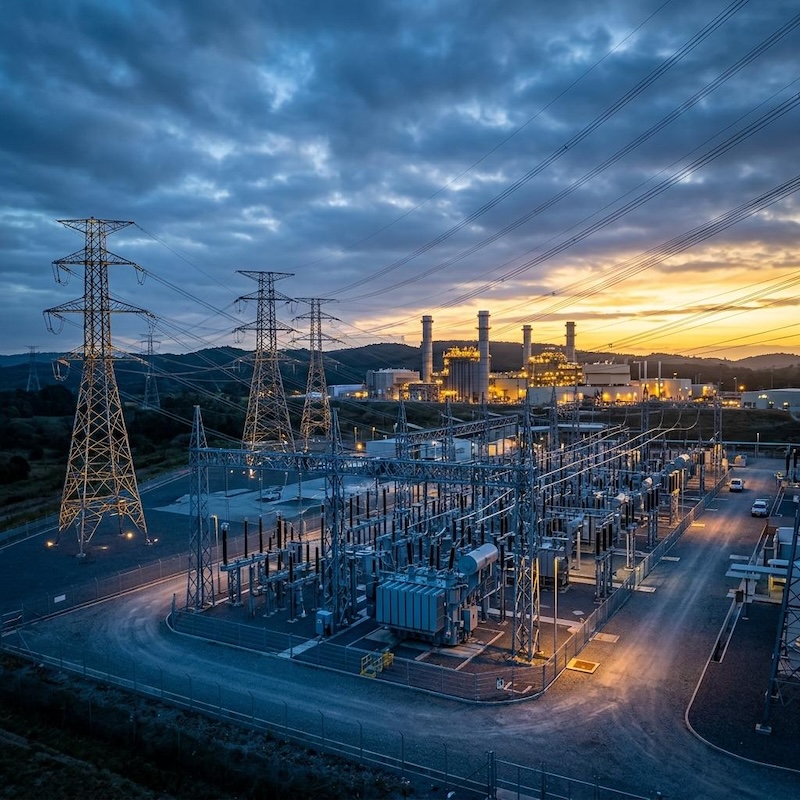

The global energy system faced a sudden disruption following the U.S. military escalation involving Iran on February 28, 2026. In the weeks that followed, tensions intensified across the Gulf region, with repeated threats to shipping routes and direct impacts on infrastructure.
The most significant development has been the ongoing disruption of traffic through the Strait of Hormuz, one of the world’s most important energy corridors.
This chokepoint typically handles approximately 20% of global oil transit. As disruptions extended into March and early Q2, markets began pricing in prolonged supply constraints, driving Brent crude toward approximately $120 per barrel.
For U.S. investors, the primary risk is not just rising prices, but the volatility of USD-denominated assets.
This article from LFA, a Swiss wealth management firm, introduces a multi-currency, politically neutral framework designed to help stabilize exposure during geopolitical shocks.
What Makes the 2026 Energy Crisis Different?
Energy shocks are not new. Investors often compare current conditions to events like the 1973 oil embargo or the Gulf War in 1990. However, the scale and structure of the 2026 disruption stand apart.
Unlike prior shocks, today’s global economy is more interconnected, more energy-dependent in certain sectors, and more sensitive to inflation expectations. This disruption is estimated to impact nearly 20% of seaborne oil flows, making it significantly larger in scope than many historical precedents.
Another important distinction lies in how different oil benchmarks are reacting:
- Brent Crude: Reflects global supply constraints and shipping risks. Prices have surged due to exposure to Middle East flows.
- WTI (West Texas Intermediate): More insulated due to higher U.S. inventories and domestic production capacity.
- Shipping Costs: Elevated tanker risks and insurance premiums are pushing global pricing higher, particularly for internationally traded oil.
This divergence matters. Investors with global exposure are feeling the full impact of pricing dislocations, while U.S.-centric portfolios may underestimate the broader implications.
Why Are U.S.-Only Portfolios Vulnerable in a Global Energy Shock?
Many U.S. investors hold the majority of their assets in domestic equities or ETFs tied to USD-based benchmarks. While this may appear diversified on the surface, it introduces a concentration risk tied to a single currency and economic system.
The buying power of a dollar becomes a key concern in this environment. As energy prices rise, inflation pressures tend to follow. This can erode real returns, particularly when portfolios remain heavily concentrated in dollar-denominated assets.
There is also a second-order effect that is often overlooked.
Rising energy costs are beginning to affect capital-intensive sectors, including AI infrastructure, data centers, and manufacturing. Increased costs for jet fuel and refined products are contributing to higher logistics and development expenses. This creates a bottleneck in sectors that have been key drivers of market performance since 2023.
As a result, portfolios concentrated in U.S. growth sectors may face pressure from both rising costs and shifting investor sentiment.
The “Swiss Hedge”: Strategic Diversification With LFA
Periods of geopolitical instability highlight the value of geographic and currency diversification. This is where Swiss wealth management comes into focus, offering a different perspective.
Switzerland has long been associated with political neutrality, disciplined monetary policy, and a stable financial system. In times of global uncertainty, these characteristics can play a role in how portfolios are constructed.
LFA works with U.S. investors to explore global diversification strategies that extend beyond domestic exposure, including access to Swiss-based custody and multi-currency portfolios.
Strategy 1: Currency Neutrality
One of the primary considerations during energy-driven inflation is currency exposure. The U.S. dollar may strengthen in the short term due to rising yields, but it can also face pressure from long-term fiscal dynamics and inflation.
Some consider Swiss francs as part of a more diversified portfolio. The Swiss franc has historically shown relative stability during certain periods of global stress, making it a consideration for those looking to reduce reliance on a single currency.
If you’re exploring how to invest in Swiss francs, options can include direct holdings, currency-linked instruments, or managed portfolios with multi-currency exposure.
Strategy 2: Private Markets
Public energy markets and related assets are currently experiencing sharp swings driven by headlines, supply disruptions, and macroeconomic shifts. Some investors are looking beyond public equities to explore opportunities in private infrastructure or energy-related assets.
For example, Swiss wealth strategies may incorporate access to private market investments, depending on suitability and structure. These types of allocations are typically less correlated to daily market volatility, although they come with their own considerations.
Strategy 3: The Swiss Banking Advantage
Another factor during periods of geopolitical stress is where assets are held. For some investors, Swiss bank accounts for U.S. citizens provide access to a jurisdiction with a long-standing regulatory framework and established financial infrastructure.
These accounts are fully compliant when properly reported under U.S. regulations, including FBAR and FATCA requirements. They also allow for multi-currency holdings, adding another layer of diversification beyond domestic financial systems.
What Should HNW Investors Be Thinking About in Q2?
As markets adjust to ongoing developments, experienced investors are taking a more measured approach rather than reacting to short-term movements.
One concept gaining attention is the “check-back” period expected in the coming months. After initial volatility, markets often revisit key levels as new information is absorbed.
This creates an opportunity to reassess positioning.
- Review exposure to U.S.-centric equities, including energy
- Evaluate currency concentration within the portfolio
- Consider diversification across regions and asset classes
- Revisit risk tolerance in light of elevated 2026 market volatility
At the same time, compliance remains an important consideration. Any international diversification strategy involving foreign accounts or assets must align with U.S. reporting requirements. LFA works within the necessary guidelines to help clients remain aligned with regulatory expectations.
LFA Can Help Evaluate Diversification Options
The current environment is a reminder of how quickly global events can reshape financial markets. Energy supply disruptions, inflation pressures, and geopolitical uncertainty are all interacting at once.
While the Strait of Hormuz remains a key pressure point, portfolio construction does not need to be tied to a single region or currency.
Through Swiss wealth management strategies, the LFA team can offer ways to diversify your portfolio through Swiss investment while helping reduce concentration risks tied to domestic markets.
LFA focuses on working with U.S. investors who are evaluating global diversification, currency positioning, and access to Swiss financial systems as part of their overall portfolio perspective.
Interested in better understanding how global events are affecting your assets?
Contact us for a 2026 Portfolio Stress Evaluation to discuss your portfolio exposure.
FAQs
How Does the Iran Conflict Affect Global Energy Markets?
The conflict has disrupted key supply routes, particularly the Strait of Hormuz, which has contributed to higher oil prices and increased volatility across global markets.
Why Are U.S. Portfolios Exposed to Energy Shocks?
Many U.S. portfolios are concentrated in dollar-denominated assets. When energy-driven inflation rises, it can reduce real returns and increase sensitivity to domestic economic conditions.
What Role Does Switzerland Play in Diversification?
Switzerland is often associated with financial stability, currency resilience, and political neutrality. These characteristics can make it a consideration in globally diversified portfolios.
Are Swiss Accounts Legal for U.S. Investors?
Yes, Swiss accounts are legal for U.S. citizens when properly disclosed and reported under U.S. tax laws, including FATCA requirements.